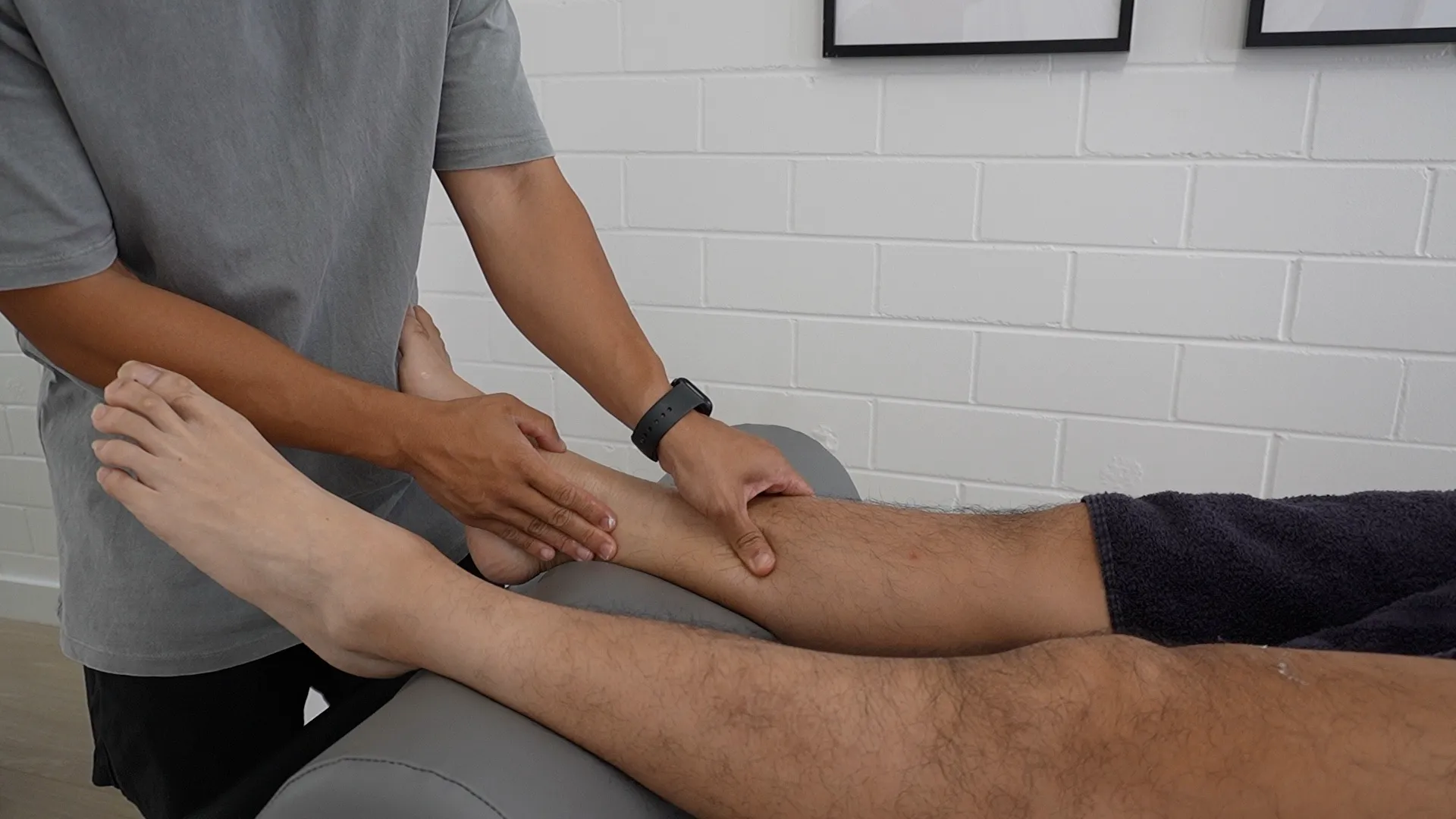
Surgeries I commonly rehab
- ACL reconstruction
- Meniscus repair and knee arthroscopy
- Rotator cuff repair
- Shoulder stabilisation
- Ankle and foot surgery, including fracture fixation
How rehab works
Reset: in the early weeks I protect the repair, control swelling and pain, and get back basic movement, following your surgeon’s protocol.
Rebuild: progressive strength work, which is where most of the gains are made. I use testing along the way to measure strength and make sure you’re ready for each next step.
Revive: running, jumping, lifting and sport-specific training, then a staged return to competition or full classes. Time and testing guide this, not just the calendar.
Bring to your first appointment
- Your surgery report or discharge summary, if you have one
- Any rehab protocol or restrictions from your surgeon
- Your scans or reports from before surgery
When to see a doctor urgently
Contact your surgeon or go to the emergency department if you have increasing pain, redness, heat or discharge around the wound, a fever, or calf pain and swelling (which can be a sign of a blood clot).